041 codes
EVAP (evaporative emissions)
The EVAP system traps gasoline vapor from the fuel tank in a charcoal canister and later lets the engine draw that vapor in and burn it, a process called purging.
OBD-II · 1049 codes · 27 systems
How serious is it, what's the most likely cause, and what should you test next? Enter the code from your scan tool.
Browse
041 codes
The EVAP system traps gasoline vapor from the fuel tank in a charcoal canister and later lets the engine draw that vapor in and burn it, a process called purging.
010 codes
The catalytic converter cleans exhaust by converting harmful gases into less harmful ones.
022 codes
The engine computer constantly adjusts how much fuel it injects, using oxygen sensor feedback, to keep the air-fuel mixture correct.
014 codes
A misfire is a cylinder firing stroke that does not burn its fuel properly.
027 codes
Variable valve timing lets the engine computer shift camshaft timing while driving, using engine oil pressure routed through a control solenoid to a phaser on the camshaft.
018 codes
The engine computer needs to know how much air the engine is taking in to calculate how much fuel to inject.
042 codes
Oxygen sensors measure leftover oxygen in the exhaust.
041 codes
The thermostat keeps the engine cold-running time short by holding coolant in the engine until it warms up, then opening to keep it at a steady temperature.
186 codes
On many vehicles a separate transmission control module manages shifting and stores its own detailed fault codes.
067 codes
The engine computer times spark and fuel from the crankshaft and camshaft position sensors, protects the engine from knock using knock sensors, and drives the ignition coils.
033 codes
These codes cover inputs and outputs the engine computer depends on but that are not part of a single emissions system: the vehicle speed sensor, idle speed control, the engine oil pressure sensor and the system voltage the computer runs on.
045 codes
Turbocharged and direct-injection engines rely on boost pressure and high fuel pressure, and many engines recirculate some exhaust (EGR) to lower combustion temperatures.
065 codes
Anti-lock brakes stop the wheels locking under hard braking, and the same control module usually runs traction control and electronic stability control, which brake single wheels and can cut engine power to keep the car pointed where the driver steers.
067 codes
Modern vehicles have many control modules (engine, transmission, ABS, airbags, body) that share information over a wired network, usually a two-wire CAN bus.
051 codes
The supplemental restraint system fires the airbags and seat-belt pretensioners in a crash.
039 codes
The engine computer (ECM or PCM) runs fuel, spark and emissions control and also checks itself: its memory, its processor, its programming and the regulated voltage it supplies to sensors.
042 codes
On most modern cars the accelerator pedal is not connected to the throttle by a cable.
102 codes
The fuel pump in the tank supplies fuel, often through a separate pump control module, and the injectors spray it into the engine on command from the engine computer.
036 codes
Hybrids and electric vehicles add a high-voltage traction battery, an inverter that turns its direct current into alternating current for the drive motor, the motor-generators themselves and a DC/DC converter that charges the ordinary 12-volt system.
022 codes
Most new vehicles use electric power steering: an electric motor on the column or rack adds force based on a torque sensor that measures how hard the driver turns the wheel.
009 codes
Body electrical covers the modules and circuits outside the engine and chassis: the body control module, keys and the immobilizer, exterior and interior lighting, door locks, the instrument cluster and the power feeds to these modules.
021 codes
Modern diesels clean their exhaust with a particulate filter (DPF) that traps soot and burns it off, and a selective catalytic reduction (SCR) system that sprays diesel exhaust fluid (DEF) to cut nitrogen oxides.
016 codes
A secondary air system uses an electric air pump to blow fresh air into the exhaust for the first minute or two after a cold start, which helps the catalytic converter warm up quickly and burn off extra fuel.
010 codes
Some engines change the shape of their intake while running.
011 codes
The alternator (generator) keeps the battery charged and powers the car while the engine runs, and on most newer cars the engine computer controls its output.
007 codes
Four-wheel-drive and all-wheel-drive systems send engine power to both axles through a transfer case, a power transfer unit or an electronically controlled coupling.
005 codes
The A/C system uses a compressor to circulate refrigerant, which absorbs heat from the cabin and releases it outside.
Most looked up
EVAP system large leak detected
Severity: MonitorEVAP system very small leak detected
Severity: MonitorEVAP system small leak detected
Severity: MonitorEVAP purge flow incorrect
Severity: MonitorEVAP vent control performance problem
Severity: MonitorEVAP vent valve circuit fault
Severity: MonitorEVAP purge flow when purge should be off
Severity: MonitorEVAP system fault (general)
Severity: MonitorEVAP purge valve circuit fault
Severity: MonitorCatalytic converter efficiency below the computer's limit (Bank 1)
Severity: MonitorCatalytic converter efficiency below the computer's limit (Bank 2)
Severity: MonitorEngine computer has reached its limit adding fuel on bank 1: the mixture is lean
Severity: Monitor
What you get
Every page answers the same four questions in the same order, so you can stop reading as soon as you have what you need.
One of four severity labels. Stop and Inspect soon always cite a source.
Causes in order of likelihood, each marked with the evidence behind it.
Tests ordered cheapest and most telling first, so you can stop early.
Bulletins and complaints for your year, make and model when we have them.
Your vehicle
Save your year, make and model in this browser and code pages will point out notes and bulletins for your car. No account, nothing sent to us.
Severity scale
Every code gets one of four labels. Stop and Inspect soon calls cite a source, and a technician reviews the rules. When we can't verify severity, we say so instead of guessing low.
Guides
 Check engine light
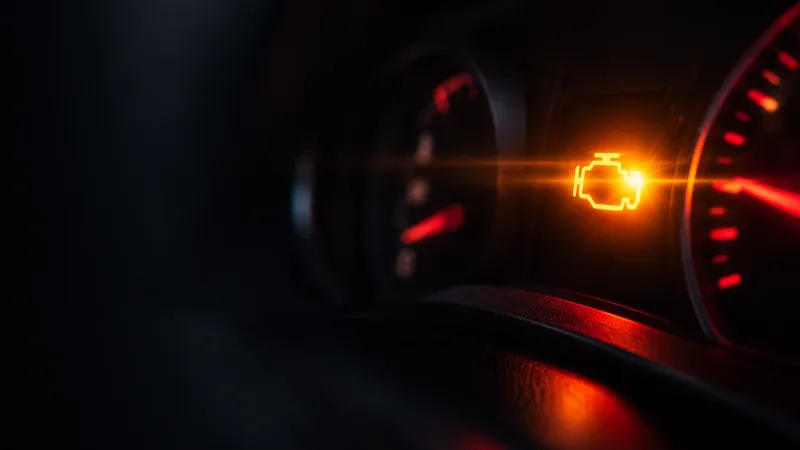
 A flashing check engine light means an active misfire that can overheat and ruin the catalytic converter. Pull over safely, shut it off, and don't drive on.
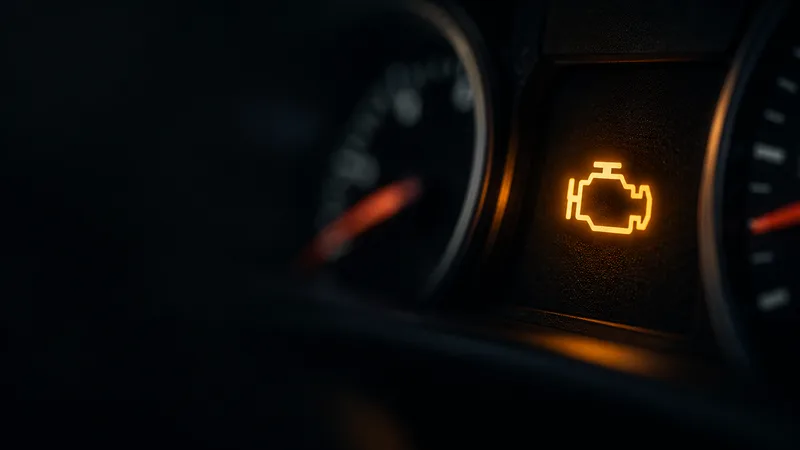 Check engine light
 A check engine light means your car's computer found an emissions-related fault. Steady means get it checked soon; flashing means stop. How to read the code.
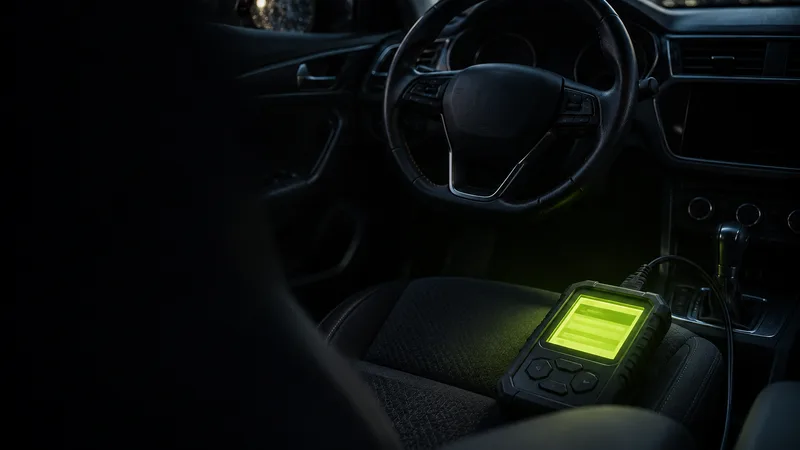 Check engine light
 The check engine light can go out after three clean trips while the code stays stored for up to 40 warm-ups. What that means and whether it still needs a fix.